
Gosh, here we are again. A new year.
This morning I was up early, headphones charged, sneakers on, ready to hit the treadmill. Gym bag packed. Fully committed to banishing a few Christmas and New Year diet sins.
The start of a new year has a way of sharpening focus.
Businesses review what worked, what did not, and where they are heading next. Goals get set. Plans get refined. And often, somewhere in that process, a familiar thought appears.
“Our brand feels dated.”
“We have outgrown our logo.”
“We might need a rebrand this year.”
That instinct is usually right. But what happens next is where many rebrands lose impact.
Rebranding often is about modernising and refreshing. The mistake is treating that as the finish line rather than the starting point.
Why Brands Feel the Need to Modernise
Most rebrands are not driven by boredom. They are driven by growth.
A business evolves. Services expand. Audiences shift. What once felt right now feels slightly out of step. The brand has not failed. It has simply been left behind.
Common triggers include:
- A logo that looks dated next to newer competitors
- Inconsistent visuals across platforms
- A business that has matured but still looks early-stage
- A sense that the brand no longer reflects where the company is going
Wanting to modernise is not shallow. It is a rational response to change.
When Rebranding Becomes a Visual Upgrade Only
Rebranding is often approached as a design task.
New logo.
New colours.
New fonts.
Cleaner layouts.
These things matter. Visuals shape perception and influence trust.
But when modernisation happens without direction, a rebrand can still:
- Lose recognition
- Create inconsistency
- Solve the wrong problem
- Or introduce new confusion
A brand can look newer and still feel unclear.
That is when businesses end up with something that is visually improved but strategically weaker.
Where Clarity Strengthens a Rebrand
Clarity does not replace modernisation. It gives it purpose.
A strong rebrand aligns how a business looks with who it is now and where it is heading.
Clarity ensures the refreshed brand communicates quickly and consistently.
What do you do?
Who is this for?
Why should I trust you?
When those answers come easily, the brand starts working properly.
Intention Over Optics
There is a difference between looking better and looking right.
Looking better focuses on appearance.
Looking right focuses on alignment.
A brand that looks right:
- Feels confident, not forced
- Is recognisable across every touchpoint
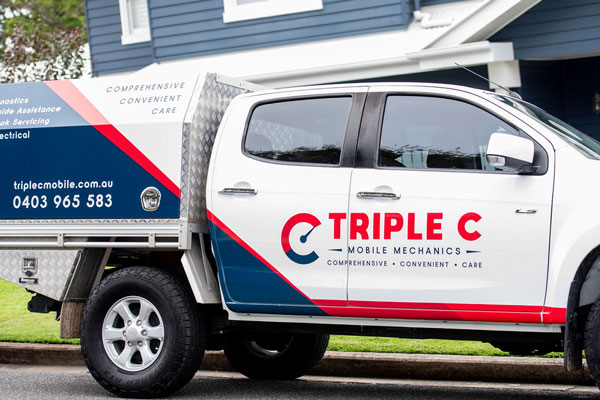
- Works on signage, screens, vehicles, and print
- Reflects the maturity of the business
It does not chase trends.
It does not try to be clever for attention.
It simply fits.
That sense of fit is what people respond to.
Why the New Year Is the Right Time to Address This
The new year brings momentum.
Businesses set targets, launch initiatives, and push into new markets. If the brand does not support that direction, it quietly becomes a constraint.
Rebranding at this point is not about starting over. It is about removing friction before the year accelerates.
When done well, a rebrand becomes a strategic reset rather than a distraction.
Modernisation With Intention
The most effective rebrands balance two things.
Evolution. Updating the look so it feels current and relevant.
Clarity. Making sure the brand communicates clearly and consistently.
This balance turns design into a business asset.
The result is not just a nicer logo. It is a brand that is easier to recognise, easier to apply, and easier to trust.
Questions to Ask Before Rebranding This Year
Before touching visuals, it is worth asking:
- What has changed in our business since the brand was last updated?
- Are we modernising to keep up or to move forward?
- Does our current brand reflect where we want to be by the end of this year?
These are alignment questions. Answering them early makes everything that follows stronger.
Final Thought
Rebranding is not about chasing new. It is about evolving with intention.
When a brand looks current and communicates clearly, it stops being decoration and starts doing real work. It supports growth, builds confidence, and creates consistency throughout the year.
That is what it means to look right.