
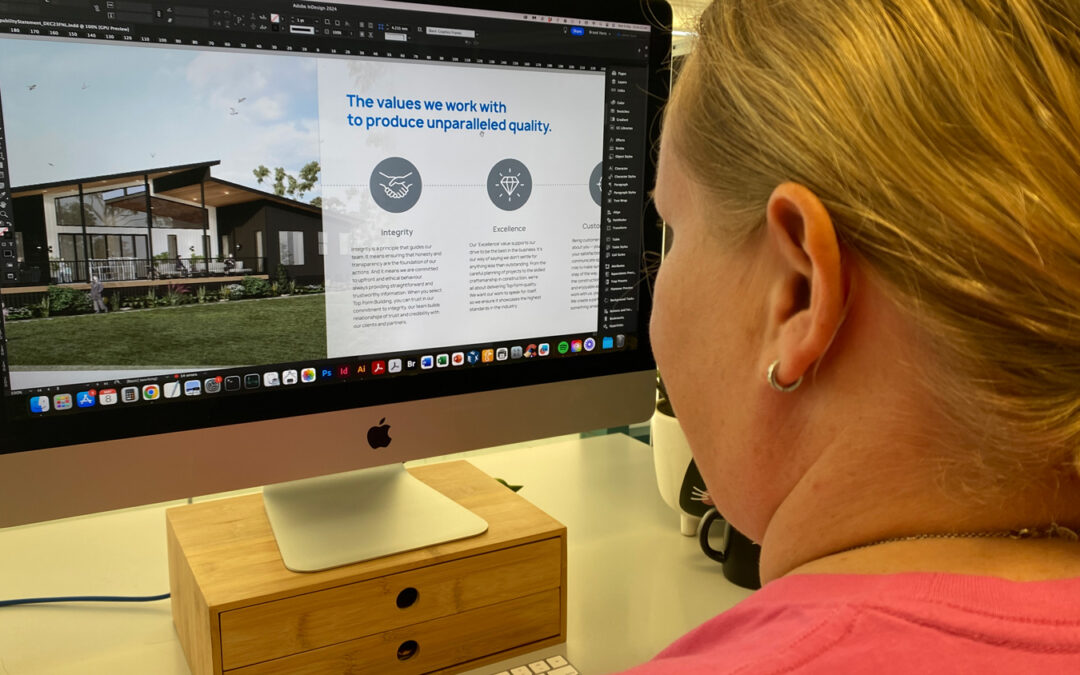
When a potential client is deciding whether your business is worth a closer look, you usually don’t get much time to make your case.
They might be comparing several suppliers. They may be reviewing tender documents, shortlisting contractors or checking whether your business has the experience to handle a larger project. In that moment, a strong capability statement can do a lot of heavy lifting.
Think of it as your business credentials, track record and value proposition wrapped into one clear, professional document.
Done well, it can help you look established, credible and ready for bigger opportunities.
What Is a Capability Statement?
A capability statement is a concise document that explains what your business does, who you work with and why clients should trust you.
It usually includes:
- Your core services
- Key areas of expertise
- Relevant experience
- Major clients or industries served
- Certifications, licences and accreditations
- Equipment, technology or operational capacity
- Project examples or case studies
- Contact details and company information
Unlike a general brochure, a capability statement is more focused on proof.
It’s not just saying, “We’re great at what we do.” It’s showing why your business is qualified, prepared and capable of delivering.
Bigger Clients Want Confidence
Larger contracts often come with more risk.
The project may involve tighter deadlines, higher budgets, compliance requirements, multiple stakeholders or complex delivery schedules. Before a client hands over that responsibility, they want confidence that your business can handle it.
A well-written capability statement helps answer the questions they’re already asking:
Can this company manage the scope?
Have they done similar work before?
Do they understand our industry?
Are they properly insured and accredited?
Will they represent our organisation professionally?
If your capability statement addresses these concerns clearly, you make the decision easier for the buyer. That matters, especially when they’re reviewing a stack of suppliers that all claim to offer “quality service”.
It Helps You Look Ready for the Next Level
Many businesses are capable of taking on larger projects but don’t look ready on paper.
Their website might be outdated. Their service information may be scattered across different documents. Their strongest project examples might only exist in the owner’s head or buried deep in a social media feed.
A capability statement brings those strengths together.
It presents your business as organised, experienced and commercially aware. That polished presentation can shift the way a prospective client sees you.
Instead of viewing you as a small operator hoping for a chance, they start seeing you as a capable supplier who belongs in the conversation.
That perception can make a real difference.
It Makes Tendering and Procurement Easier
Procurement teams love clear information.
They don’t want to search through your entire website to find your insurance details, service areas or relevant experience. They want the information in one place, presented in a format that is easy to scan and easy to share internally.
A good capability statement gives them exactly that.
It can be attached to:
- Tender submissions
- Supplier registrations
- Introductory emails
- Partnership proposals
- Government procurement applications
- Meetings with project managers
- Expressions of interest
It also helps your contact champion your business internally.
Someone may already like what you offer, but they still need a professional document they can forward to a manager, procurement officer or decision-maker. Your capability statement gives them something solid to work with.
It Shows More Than Services
A weak capability statement reads like a menu.
“We offer this. We provide that. We can also do this other thing.”
Useful? Barely.
A strong capability statement connects your services to business outcomes.
For example, rather than simply listing project management as a service, explain how your process reduces downtime, keeps stakeholders informed and helps projects stay on schedule.
Instead of stating that you offer national delivery, show how your logistics network supports multi-site clients.
Instead of saying you have an experienced team, mention the industries, project types or technical environments they’ve worked in.
The goal is to show what your capability means for the client.
That’s the difference between describing your business and selling its value.
It Builds Trust Before the First Meeting
A professional capability statement can create trust before you’ve had a proper conversation.
The design, wording and structure all send signals about your business. If the document is clear, consistent and well presented, clients are more likely to assume your operations are handled with the same level of care.
On the other hand, a cluttered or outdated document can raise doubts.
Fair or not, presentation affects perception.
A blurry logo, mismatched fonts, vague claims and three-year-old contact details don’t exactly scream “safe pair of hands”.
Your capability statement should reflect the standard of work you want to be hired for.
It Gives Your Sales Team a Better Tool
A capability statement isn’t only useful for formal tenders.
It can also support everyday business development.
Your sales team can use it after networking events, discovery calls, site visits or referrals. It gives prospects a clear summary of your business without forcing them to piece everything together themselves.
It also helps keep your message consistent.
Everyone representing the business should be able to explain the same core strengths, industries, capabilities and points of difference. A strong document creates that foundation.
No guesswork. No rambling introduction. No last-minute PDF pulled together five minutes before a meeting.
What Makes a Capability Statement Effective?
The best capability statements are clear, specific and easy to scan.
They avoid long blocks of vague marketing copy and focus on the information clients genuinely care about.
An effective capability statement should:
Speak to the right audience
A construction contractor, government department and national retailer will each care about different things.
Where possible, tailor your capability statement to the client, sector or opportunity. Highlight the experience and services that are most relevant to them.
Include proof
Use real examples, measurable results and recognisable project types.
Proof may include years in business, project values, service coverage, safety records, turnaround times, client sectors or performance outcomes.
Specifics build credibility.
Look professional
Strong design improves readability and reinforces trust.
Your capability statement should match your brand, use consistent formatting and make key information easy to find. It doesn’t need to be flashy. It needs to feel considered.
Stay concise
Most capability statements should be short enough to review quickly.
Avoid turning it into a company autobiography. Buyers don’t need the full story of how the business began in someone’s garage in 2007, unless that detail genuinely strengthens the pitch.
Keep the focus on what you can deliver now.
Be kept up to date
Your team, services, accreditations and project history will change.
Review your capability statement regularly so it reflects your current capacity. An outdated document can quietly cost you opportunities.
A Capability Statement Is More Than a PDF
A good capability statement isn’t just another marketing file sitting in a folder.
It’s a business development tool.
It helps you communicate your value, build confidence and compete for opportunities that may previously have felt out of reach. It can strengthen tender submissions, support sales conversations and give larger clients a clearer reason to choose you.
Most importantly, it helps your business look as capable as it really is.
When the right opportunity lands, you don’t want to start explaining your credentials from scratch. You want a sharp, credible document that shows you’re ready.
Ready to create a capability statement that opens doors? Start by reviewing what your current document says about your business, then make sure it reflects the level of work you want to win next.