
Vehicle signage is one of the most visible brand assets a business owns. It is also one of the easiest to get wrong.
There is often a push to be bold, eye-catching, and different. Especially with full wraps and larger vehicles, high impact is not just appropriate, it is expected.
The real question is not whether your vehicle signage gets attention. It is whether it builds recognition.
Attention Is the Entry Point. Recognition Is the Outcome.
Attention and recognition are not the same thing.
Attention earns the first glance. Recognition is what people remember later.
High-impact vehicle signage works when bold design supports brand recall, not when it distracts from it.
Effective signage balances:
- Strong visual presence
- Clear brand cues
- Simplicity in what is communicated
If someone notices the vehicle but cannot recall who it belonged to, attention has been wasted.
Vehicle Size Changes the Rules
A vehicle is not a neutral canvas. Size, shape, and viewing conditions all affect how signage should behave.
Design that works on a small vehicle rarely scales well to a large one. On larger vehicles, small graphics often look uncertain rather than refined.
Larger vehicles allow for:
- Greater viewing distance
- Longer exposure time
- Bolder use of colour and typography
With a bigger canvas comes the need for confidence. Small graphics on large vehicles usually feel accidental, not intentional.
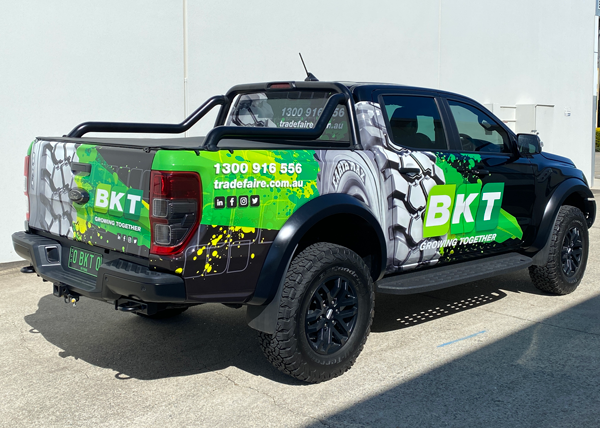
Full Wraps Are Meant to Be Statement Pieces
A full wrap is not subtle by nature, and it should not try to be.
When a business commits to a full wrap, the design needs to feel deliberate from every angle. A strong wrap does not decorate the vehicle. It owns it.
Effective full wraps typically:
- Commit fully to the brand colour palette
- Use scale confidently
- Feel cohesive from front to back
- Look intentional whether moving or parked
Wraps that sit halfway between bold and safe tend to draw attention for the wrong reasons.
High Impact Still Needs Structure
Bold does not mean chaotic.
Vehicles are usually seen at speed, from a distance, or while the viewer is distracted. This means hierarchy matters even more, not less.
Strong high-impact signage prioritises:
- One clear primary brand cue
- High contrast for legibility
- Large, simple forms that read quickly
Impact comes from clarity and confidence, not from adding more information.
Recognition Is Built Through Consistency
Recognition does not happen in one moment. It happens through repetition.
Seeing the same style of vehicle signage again and again builds familiarity. Familiarity builds trust.
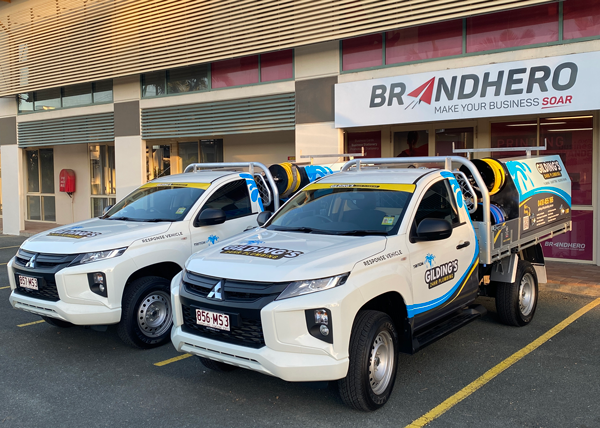
Consistent vehicle signage:
- Makes the brand easier to recall
- Looks more professional
- Strengthens presence in the community
This is especially important for fleets. Inconsistent vehicles reset recognition every time.
When Impact Works Against You
High impact only becomes a problem when it lacks intent.
This often shows up as:
- Too many messages competing for attention
- Overly complex graphics
- Visual tricks that date quickly
- Designs that look good up close but fail at distance
If people remember the design but not the brand, recognition has failed.
Final Thought
Vehicle signage does not need to choose between impact and recognition.
On larger vehicles, impact is often essential. The difference is whether that impact is controlled and purposeful.
When vehicle size, wrap coverage, and brand clarity are aligned, the result is not visual noise. It is presence.
And presence is what people remember.