
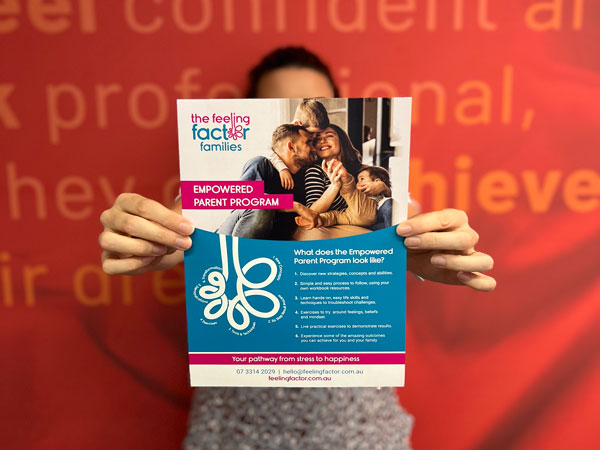
Print has a funny way of making a brand feel more real.
In a world full of quick scrolls, skipped ads and inboxes packed with unread emails, printed material gives people something they can actually hold. A brochure, business card, signage display, welcome pack or branded booklet doesn’t vanish with a thumb swipe. It sits on the desk. It lands in the hand. It takes up space in the real world.
That physical presence matters.
Print feels considered
When a brand invests in quality print, people notice. Not always loudly, but they do.
A well-designed brochure on thick stock, a sharp pull-up banner at an event, a beautifully finished welcome folder or a clean set of business cards sends a simple message: this business cares about details.
And trust often starts there.
Digital can be brilliant, of course. Fast, measurable, flexible. But because it’s so easy to change, delete or ignore, it can sometimes feel temporary. Print feels more deliberate. Someone chose the paper. Checked the colours. Approved the finish. Paid attention before it went out into the world.
That sense of care builds confidence.
Tangibility creates credibility
People tend to trust what feels tangible. A printed piece gives your brand weight, literally and psychologically.
A flyer handed to a customer after a consultation can become a reminder. A capability statement left after a sales meeting can keep working long after the conversation ends. A well-placed sign can reassure someone they’re in the right place before they even speak to a staff member.
Print doesn’t just tell people your brand exists. It proves you’ve shown up.
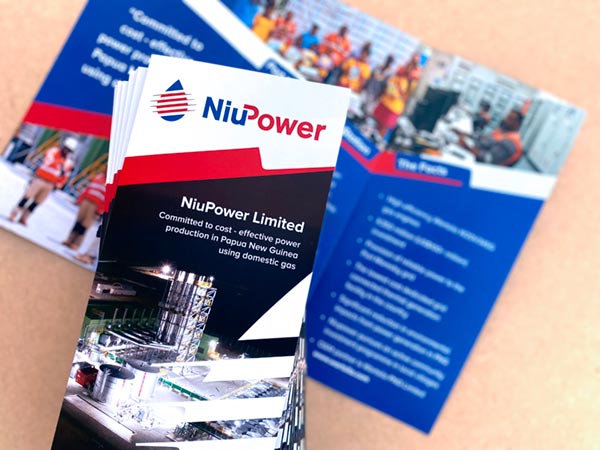
Print slows people down
Digital asks for speed. Print invites a pause.
Someone might skim a brochure over coffee, flick through a school prospectus with their partner, pin a local event flyer to the fridge, or keep a tradesperson’s magnet near the phone for later. That little pause gives your message more room to breathe.
And honestly, that’s rare now.
When everything is competing for attention at high speed, print can feel refreshingly calm. No pop-ups. No autoplay video. No mysterious algorithm deciding whether your audience sees it. Just your message, designed well, in front of the right person.
Quality print reflects quality service
This is where print can quietly do some heavy lifting.
If your printed materials look rushed, blurry, inconsistent or cheap, people may wonder whether your service feels the same. Harsh? Maybe. True? Often.
On the other hand, sharp print, consistent colours and professional finishing make your brand feel reliable before a customer has tested anything else. It’s a signal. One that says, “We know who we are, and we take pride in how we present ourselves.”
For schools, healthcare providers, builders, councils, venues, real estate agencies and professional services, that signal is powerful. People are making decisions that involve money, safety, time or reputation. They’re looking for signs they can trust you.
Print gives them one.
Print supports digital, not competes with it
The best brands don’t treat print and digital like enemies. They make them work together.
A printed brochure can drive people to a website. A QR code on signage can connect visitors to a booking page. A direct mail piece can support a local campaign. Event collateral can match social graphics so the whole experience feels seamless.
That consistency is where trust grows. When your brand looks and sounds the same across print, signage, website, social media and customer communication, people feel like they’re dealing with a business that has its act together.
Which, let’s be honest, is half the battle.
Print lasts longer than a scroll
A digital ad can disappear in a second. A printed piece can hang around for weeks, months or even years.
Think of fridge magnets, appointment cards, menus, catalogues, annual reports, welcome packs, wayfinding signs and vehicle graphics. These aren’t one-time impressions. They’re repeated brand reminders sitting in everyday environments.
That repeated visibility builds familiarity. Familiarity builds confidence. Confidence helps turn interest into action.
The bottom line
Print still builds trust because it feels real, intentional and lasting. It gives your brand physical presence, supports credibility and creates touchpoints people can return to.
Done well, print doesn’t feel old-fashioned.
It feels solid.
And in a market full of noise, solid is a very good thing to be.
Ready to make your printed materials work harder for your brand? Start with the pieces your customers touch, keep, read or see most often, then make them unmistakably yours.