

A good vehicle wrap works hard.
It’s out in the sun. It cops rain, road grime, bird mess, car park chaos, pressure washers, tree sap and the occasional “I swear that bollard wasn’t there yesterday” moment.
So yes, vehicle wraps are tough.
But they’re not magic.
Like any branded asset, they have a lifespan. How long they last depends on the quality of the materials, the skill of the installation, the condition of the vehicle and how well the wrap is looked after once it hits the road.
The good news? With the right setup and care, a quality vehicle wrap can look sharp for years.
The bad news? Ignore the basics and it can age faster than milk in a hot ute.
Let’s talk about what affects the lifespan of a vehicle wrap, and how to get the most value from yours.
How Long Do Vehicle Wraps Last?
As a general guide, a professionally installed vehicle wrap can last around 3 to 5 years, and sometimes longer in the right conditions.
But lifespan is not just about time. It’s about appearance.
A vehicle wrap might still be attached after several years, but if it’s faded, peeling, cracked or lifting around the edges, it’s no longer doing its job properly.
Your vehicle is often one of the most visible parts of your brand. If your vehicle signage looks tired, your business can look tired too.
Quality Materials Make a Big Difference
Not all vinyl is created equal.
High-quality vehicle wrap films are designed to handle outdoor conditions, curves, heat and regular movement. Cheaper materials may look fine at first, but they often fade faster, shrink, crack or lift earlier than expected.
That cheap vinyl wrap can become very expensive if it needs to be replaced sooner, damages your paint or makes your brand look second-rate.
A strong vehicle wrap starts with the right materials for the job. That includes the vinyl, laminate, inks and quality adhesive.
The laminate is especially important. It helps protect the printed vehicle wrap from UV, scratches, weather and general road wear.
No laminate? Big red flag.
Installation Matters Just as Much
Even the best vehicle wrap vinyl won’t save a poor install.
Vehicle wrapping is skilled work. The installer needs to understand curves, recesses, edges, joins, heat, stretch and surface preparation.
If a vehicle is not cleaned properly before installation, the vinyl may not bond correctly. Dust, wax, grease or polish can all cause problems later.
If the vinyl is overstretched, it can pull back.
If edges are poorly finished, they can lift.
If the wrong material is used in deep recesses, it can fail early.
A quality vehicle wrap should look smooth, clean and intentional. Not like someone fought a giant sticker and only just won.
Sun Exposure Is the Big One
The Australian sun is not gentle.
Let’s face it… Brisbane is hot. If your vehicle spends most of its life outdoors, especially in full sun, the wrap will age faster. UV exposure can fade colours, dry out materials and reduce the overall life of the vinyl.
This is especially noticeable on horizontal surfaces like bonnets, roofs and boot lids because they take the most direct sunlight.
That doesn’t mean you should avoid wrapping these areas. It just means you should understand that they may age faster than vertical panels.
Where possible, park undercover, in shade or in a garage. It sounds simple because it is.
Shade is your vehicle signage’s best mate.
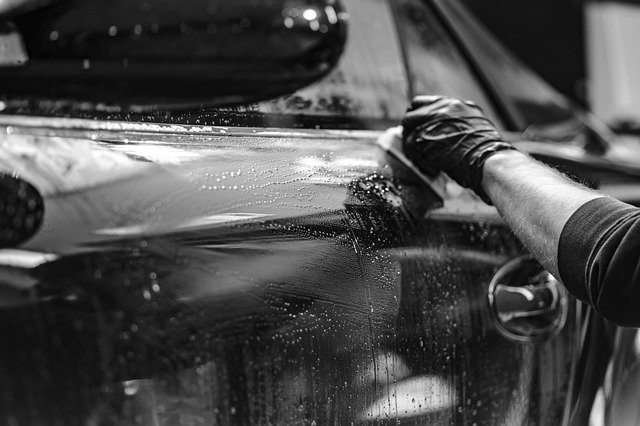
Clean It Properly
A wrap doesn’t need precious, high-maintenance treatment. But it does need sensible care.
Regular washing helps remove dirt, pollutants, road grime, bugs and bird droppings before they settle in or cause damage.
Hand washing is best. Use a soft sponge or cloth, mild detergent and clean water. Rinse well and dry with a microfibre cloth if possible.
Avoid harsh chemicals, abrasive brushes and aggressive scrubbing. They can dull the finish or damage the laminate.
Bird droppings, tree sap and fuel spills should be cleaned off quickly. They can stain or break down the surface if left too long.
Basically, treat your vehicle wrap like you want it to keep representing your business. Because it does.
Be Careful With Pressure Washing
Can you pressure wash a wrapped vehicle?
Sometimes, yes. But carefully and from a distance.
High pressure, hot water and close-range spraying can lift edges or damage the vinyl, especially around joins, corners and panel gaps.
If you use a pressure washer, keep the nozzle at a safe distance, use a wider spray pattern and avoid blasting directly at edges.
Automatic car washes are also risky, especially ones with stiff brushes. They can scratch, lift or dull the wrap over time.
A quick hand wash might take a little longer, but it’s a lot cheaper than repairing lifted vinyl.
Watch the Edges
Wrap failure often starts at the edges.
Door handles, mirrors, panel gaps, wheel arches and tight curves all take more stress. These areas are exposed to movement, water, cleaning pressure and general wear.
That’s why it pays to check your vehicle wrap regularly.
Look for early signs of lifting, bubbling, cracking, fading or peeling. If you catch small issues early, they can sometimes be fixed before they turn into a bigger problem.
Ignoring a lifting edge is like ignoring a loose thread on a jumper. You already know where this is heading.
The Vehicle Condition Matters Too
A wrap is only as good as the surface underneath it.
If the paint is damaged, oxidised, rusty, peeling or poorly repaired, the vinyl may not adhere properly. It may also remove weak paint when the wrap eventually comes off.
Newer vehicles with good paintwork are usually the best candidates for wrapping.
Older vehicles can still be wrapped, but they may need extra assessment first. A good signage team should be honest about what will and won’t work.
Because wrapping over bad paint won’t magically make the problem go away.
It just gives the problem a colourful jacket.
When Should You Replace a Vehicle Wrap?
A wrap should be replaced when it stops presenting your brand well.
Signs it might be time include:
- Noticeable fading
- Peeling or lifting edges
- Cracking vinyl
- Stained or dull surfaces
- Outdated branding
- Changed contact details
- Damaged panels
- A design that no longer reflects your business
Sometimes the wrap is still technically doing its job, but the brand has outgrown it.
That’s a good reason to refresh.
Your vehicles are moving billboards. If they’re on Brisbane roads every day, they’re being seen every day. Make sure they’re saying the right thing.
How to Make Your Vehicle Wrap Last Longer
Here’s the simple version.
Use quality materials. Choose experienced installers. Start with a clean, suitable vehicle. Park undercover when you can. Wash it regularly by hand. Avoid harsh chemicals and rough car washes. Keep an eye on the edges. Fix small issues early.
Nothing too fancy.
Just good habits.
A vehicle wrap is an investment in your brand visibility. The better you care for it, the better it keeps working for you.
The Real Value of a Vehicle Wrap
A strong vehicle wrap does more than make your car, ute, van or fleet look good.
It builds recognition. It makes your business look established. It turns everyday travel into brand exposure. And when it’s done well, it gives people confidence before they’ve even spoken to you.
But like any brand asset, it needs to be made properly and looked after properly.
A cheap wrap that fades quickly or peels at the edges doesn’t save money. It quietly costs you credibility every time it pulls into a driveway, job site or car park.
A quality wrap, cared for properly, keeps your brand looking sharp for years.
And that’s the point.
Not just being seen.
Being remembered for the right reasons.
Ready to get more life out of your vehicle branding? Start with quality materials, a professional install and a care routine that keeps your wrap looking as good on the road as it did on day one.