

I recently found myself in the market for a new laptop.
Like always, I looked at Apple first.
That was it. That was the whole research process.
Was I going to compare specs with HP? No. Was I going to build a spreadsheet comparing Lenovo models? Absolutely not. I got sucked into the Apple-sphere about 20 years ago at design college and, honestly, I’ve never really left.
iPhone user? Yes. AirPods? Also yes.
Do I occasionally complain about Apple while continuing to buy Apple products? Obviously. That’s part of the membership agreement.
So when it came time to upgrade my laptop, there was only one brand I considered. And considering Apple products can sometimes cost close to double what other laptops do, that’s a pretty telling sign.
Because I wasn’t just buying a hard drive, a screen and a keyboard.
I was buying how that product makes me feel.
Creative. Capable. A little more polished than I probably am on a Tuesday morning. Apple has spent years building a brand that feels clean, considered and aspirational, so when I use their products, some of that feeling rubs off.
That is the power of a strong brand.
It doesn’t just help people recognise you. It helps people feel something about themselves when they choose you.
And that’s exactly why strong brands can charge more.
Most businesses don’t actually have a pricing problem. They have a perception problem.
That’s where branding earns its keep.
A strong brand makes people trust you faster, remember you longer and feel more confident paying a premium. More importantly, it helps them feel good about choosing you.
People Pay More for How a Brand Makes Them Feel
Price is rarely just about the product or service itself. It’s about emotion.
That Apple example is proof. I didn’t choose the cheapest laptop. I chose the one that felt the most like me, or at least the version of me I like buying into.
The specs mattered, sure. But they weren’t the whole story.
The same thing happens in almost every category.
Think about the difference between a Maccas takeaway coffee and one from a hip café with sharp signage, considered packaging and a name people recognise.
One feels like a quick caffeine transaction. The other feels like a small lifestyle choice. Slightly dramatic? Maybe. Still true? Absolutely.
When your brand feels polished and professional, customers assume the rest of your business runs the same way. Fair? Not always. But people make decisions based on signals, and your brand is sending them constantly.
Your logo, signage, website, uniforms, vehicle graphics and social content all tell people what kind of business you are before you’ve said a word.
Are you established? Thoughtful? Reliable? Premium? Worth paying more for?
Or do you look like the cheaper option?
A Strong Brand Makes You Easier to Choose
Customers don’t want to work hard to understand your value. They want quick clues.
A strong brand gives them those clues before they even speak to you.
It says you’re serious. You know who you are. You care about details. You’re not winging it.
That last one matters more than most people realise.
People are nervous about spending money, especially with businesses they haven’t used before. A strong brand reduces that hesitation because it creates confidence. It gives people that little internal nudge that says, “Yep, these people look like they know what they’re doing.”
And that moment can be the difference between asking, “How much?” and asking, “When can we start?”
Premium Pricing Needs Premium Presentation
You can’t charge premium prices while looking like the budget option.
Blunt? Yes. Useful? Also yes.
If your signage is faded, your logo is pixelated, your colours change from one platform to the next and your website looks like it was built during a lunch break in 2012, customers will notice.
Maybe not consciously. But they’ll feel it.
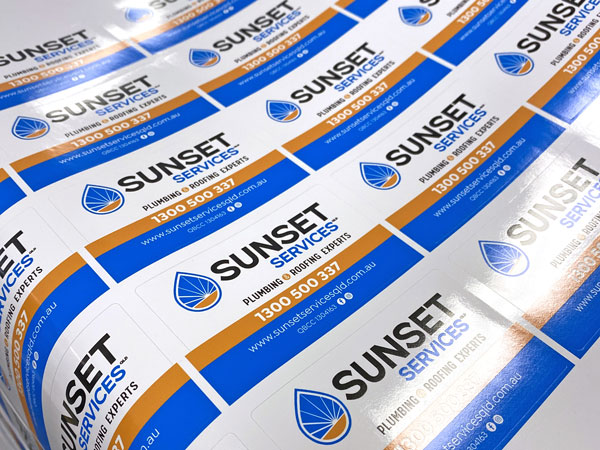
Premium brands are consistent. They use the same colours, typography, messaging and visual style across every touchpoint. Their shopfront, vehicles, packaging, uniforms, socials and website all feel like they belong to the same business.
That consistency builds recognition.
Recognition builds trust.
Trust gives you pricing power.
It’s not magic. It’s momentum.
Branding Helps You Move Away From Price Comparisons
When a business has a weak brand, customers compare it to everyone else offering the same thing.
A plumber becomes “one of the plumbers.”
A salon becomes “one of the salons.”
A builder becomes “one of the builders.”
And once you’re lumped into the same bucket as everyone else, price becomes the easiest comparison point.
A strong brand helps you escape that bucket.
It gives people reasons to choose you beyond cost. Your brand might feel more personal, more refined, more local, more energetic, more premium or more aligned with the kind of customer you want.
That emotional difference is powerful.
People don’t always choose the cheapest option. They choose the option that feels like the smartest, safest or most satisfying decision.
Just like I didn’t sit there weighing up every laptop on the market. Apple had already done the work in my mind long before I was ready to buy.
That’s what a strong brand does. It gets chosen before the quote, before the comparison and sometimes before the customer even opens Google.
Your Brand Attracts Better-Fit Customers
Charging more isn’t only about increasing prices. It’s about attracting people who already understand your value.
A strong brand filters.
It tells bargain hunters, “We’re probably not your cheapest option.”
And it tells quality-focused customers, “You’re in the right place.”
That’s a good thing.
The right customers don’t just pay better. They usually communicate better, respect your process more and understand the difference between cheap and valuable. Lovely little bonus, that.
When your brand is clear about who you are, what you stand for and the level of quality you deliver, you spend less time convincing people and more time working with the ones who already get it.
Strong Branding Makes Your Business Feel Bigger Than One Transaction
People are willing to pay more for brands they feel connected to.
That connection might come from your story, your values, your design style, your tone of voice or the way your business shows up in the real world.
A bold shopfront.
Beautiful packaging.
A clever tagline.
A vehicle wrap that turns heads at the lights.
These things stick.
And when your brand sticks, you become more than a supplier. You become familiar in the customer’s mind, but not in a boring “I’ve seen you before” kind of way. More like, “I know what you’re about, and I like it.”
That feeling quietly builds preference before the customer is even ready to buy.
By the time they need what you offer, you’re already on the shortlist.
Better Branding Builds Confidence Inside the Business Too
A strong brand doesn’t just change how customers see you. It changes how your team sees the business.
When your vehicles look sharp, your uniforms feel professional, your signage is on point and your materials all match, it lifts the standard internally.
People carry themselves differently when they feel proud of the brand they represent.
That pride shows up in service, sales conversations and day-to-day consistency. Customers can feel it too.
A confident brand creates a confident team. A confident team creates a better customer experience. A better customer experience supports stronger pricing.
Nice little loop, isn’t it?
The Real Value of a Strong Brand
A strong brand helps you charge more because it changes the conversation.
You’re no longer asking customers to trust your value based on words alone. They can see it. Feel it. Recognise it.
Your brand gives your business a premium presence before you’ve made the pitch.
It helps customers understand why you’re worth more.
And it gives you the confidence to stop apologising for your prices.
Because when your brand looks sharp, feels consistent and backs up the quality of your work, higher pricing doesn’t feel like a stretch. It feels aligned.
That’s the goal.
Not looking expensive for the sake of it. Looking like the value you already deliver.
Ready to build a brand that helps people feel confident choosing you? Start with the touchpoints your customers see first: your signage, logo, website, vehicles and customer-facing materials. Get those working harder, and your pricing will have a much stronger story behind it.