
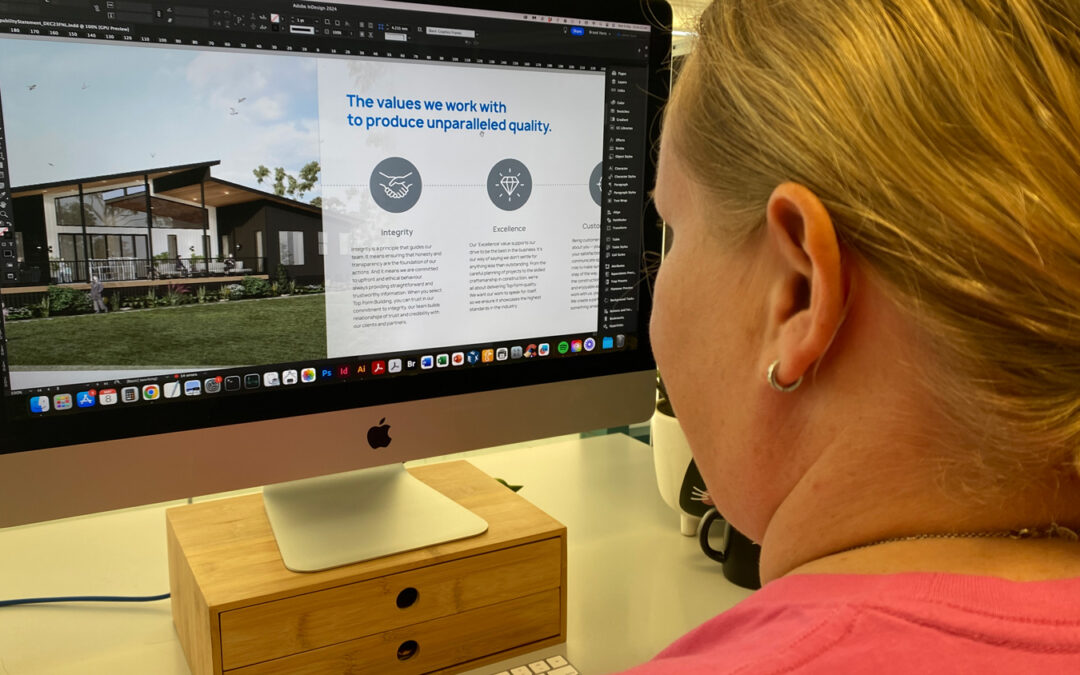
Capability statements are often created with a lot of care.
They are written thoughtfully, designed professionally, and filled with detail. The expectation is that they will be read closely and evaluated thoroughly.
In practice, they are used a little differently.
Understanding how decision-makers actually use capability statements can make the difference between being shortlisted and being overlooked.
The Common Misunderstanding
Many businesses treat capability statements like brochures.
They tell a full story. They explain history. They describe values and culture. They aim to impress.
Decision-makers are not looking for a story at this stage. They are looking for fit, capability, and confidence.
A capability statement is not designed to persuade on its own. It is designed to support a decision.
Who Is Reading Your Capability Statement
The person reviewing a capability statement is often not the final decision-maker.
It may be a procurement officer, a project manager, or a member of a panel. They may be reviewing dozens of documents under time pressure.
Their role is to assess:
- Relevance to the project
- Evidence of capability
- Level of risk
- Compliance and credibility
They need to understand quickly whether your business belongs in the next stage.
How Capability Statements Are Actually Reviewed
Capability statements are scanned before they are read.
The first pass is functional. Decision-makers are looking for clear signals that help them decide whether to keep going.
Headings, layout, and structure matter more than clever wording at this stage. Information needs to be easy to find and easy to understand.
If a document feels hard to use, confidence drops.

What Decision-Makers Look For First
There is an unspoken hierarchy of information in a capability statement.
Most decision-makers look for:
- A clear description of what the business does
- Relevant experience that matches the brief
- Scale and capacity
- Accreditations, licences, and compliance
- Clear contact and accountability
If this information is buried or unclear, the document loses effectiveness quickly.
How Capability Statements Support Real Decisions
Capability statements help reduce risk.
They allow decision-makers to:
- Justify shortlisting choices
- Compare suppliers consistently
- Demonstrate due diligence
- Feel confident in recommending next steps
A strong capability statement feels reliable. It is consistent, clear, and easy to defend internally.
Where Capability Statements Often Lose Impact
Most capability statements do not fail because of poor effort. They lose impact because of misalignment.
Common issues include:
- Too much general information
- Long histories that do not support the decision
- Weak information hierarchy
- Design that does not support scanning
- Inconsistent branding or formatting
These issues make a document harder to use, even if the content itself is strong.
What an Effective Capability Statement Makes Easy
The real test of a capability statement is ease.
It should be easy to:
- Understand what the business does
- Identify relevant experience
- Compare against other suppliers
- Share internally
- Trust the information presented
When a document is easy to use, it gets used properly.
Questions Worth Asking Before Updating Yours
Before revising a capability statement, it is worth stepping back and asking:
- Who is actually using this document
- What decision is it meant to support
- What information needs to be found quickly
- Does the layout support how it will be reviewed
These questions help shift focus from presentation to purpose.
Final Thought
Capability statements are working documents.
They are not marketing brochures or brand stories. They are tools that support real decisions, often made under pressure.
When they are designed with decision-makers in mind, they do not need to shout. They simply do their job.
And that quiet effectiveness is what gets businesses to the next stage.