
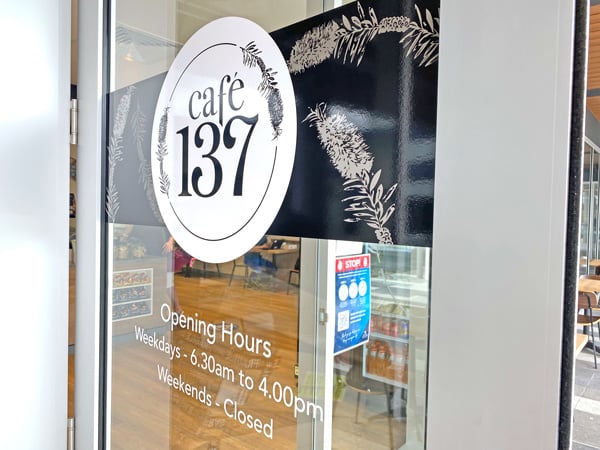
You’ve arrived at the address. You’re fairly sure it’s the right place.
There’s a faded sign near the gate, another business name still visible on the wall, and three doors that could all be reception.
Do you walk in? Call someone? Try the door closest to the parked cars and hope for the best?
Before you’ve met anyone, the building has already given you an impression of the organisation.
Your premises do that every day. Through their appearance, signage and layout, they tell people something about who you are and what they can expect.
The question is whether that message is helping your business.
Your Exterior Makes the First Introduction
For a first-time visitor, your building is often the first physical experience of your organisation.
A clear business name, a visible entrance and well-maintained signage help people feel confident they’ve arrived at the right place. Faded graphics, missing letters and outdated branding introduce uncertainty.
The building doesn’t need to be new or expensive to make a good impression. A modest office or industrial unit can look professional when its presentation is considered and cared for.
The aim is to make your premises reflect the standard of the business operating inside.
If your company profile promises attention to detail, your front entrance should support that promise.
Clear Signage Makes Visitors Feel Welcome
Being welcoming starts before someone reaches your reception desk.
Can visitors find the entrance? Do they know where to park? Is it clear where deliveries should go and where customers should report?
These might sound like small details. They don’t feel small when you’re walking around an unfamiliar site in the heat, wondering whether you’ve just entered a loading area.
Good directional signage removes that guesswork. It helps people move through your premises with confidence and reduces the need for staff to keep giving the same directions.
For PNG organisations with offices, warehouses, workshops or shared compounds, a sign at the roadside may only be the beginning. People need guidance from the gate to the right destination.

Your Building Should Match the Business You Are Today
Businesses evolve. Their premises don’t always keep up.
You might have expanded your services, introduced a new identity or moved into larger projects, while the sign above your door still represents the company you were ten years ago.
Sometimes the inconsistencies are less obvious. The reception uses the current logo, the gate has an older version, and the directional signs appear to have been ordered by three different people with three very different ideas.
Each sign may still be readable. Together, they create a fragmented impression.
A consistent approach to colours, typography, naming and materials helps the whole site feel like one organisation. It also makes future additions easier to manage.
The Message Continues Inside
Once someone walks through the door, your interior becomes part of the conversation.
Reception signage confirms where they are. Project photography shows the work you do. A company timeline can communicate your history. Carefully chosen displays can introduce your people, capabilities or community involvement.
These elements give visitors something meaningful to learn while they wait.
For a PNG business, that could include completed projects across different provinces, local partnerships or the people behind the organisation. Use real stories and images that help someone understand your business.
There’s no need to put a motivational quote on every available wall. Sometimes a strong project photograph says considerably more.
Different Signs Have Different Jobs
A common mistake is expecting one sign to do everything.
Your main identification sign helps people recognise the business. Directional signs help them find their way. Safety signs communicate hazards and required actions. Interior branding adds context and character.
Each needs to be designed around its purpose.
A roadside sign needs to be understood from its intended viewing distance. A reception sign can be more detailed because people are closer. A directional sign needs an obvious destination and an unambiguous arrow.
Decorative choices should support that function. Beautiful lettering is of limited use if nobody can read it from the entrance.
Maintenance Is Part of the Message
Sun, rain, dust and daily wear all affect how your premises look.
A sign that made a strong impression when it was installed may now be faded, damaged or partly hidden by vegetation. An illuminated sign with several letters out can make a well-run business look neglected.
Signage needs to be included in routine property checks.
Walk the site occasionally and look for damage, outdated information, blocked sightlines and signs that are no longer needed. Choose materials and installation methods suited to the location, then plan for upkeep.
Your signage keeps representing you long after installation day.
Take a Walk in Your Visitor’s Shoes
Start outside your property and approach it as though you’ve never been there before.
Ask yourself:
- Can I identify the business from the road?
- Is the correct entrance obvious?
- Do I know where to park and report?
- Does the presentation match our website and company profile?
- What would I assume about this organisation before meeting the team?
Better still, ask someone unfamiliar with the premises to try it. Your staff already know which unmarked door leads to reception. A new customer doesn’t.
The answers will help you prioritise improvements. Sometimes a thorough clean, updated entrance signage and clearer directions can make a substantial difference.
Your building is already talking. Make sure it gives people the right introduction.
Brand Hero can help you plan signage that makes your premises recognisable, welcoming and easier to navigate.
Talk to us about what your building could be saying about your business.