
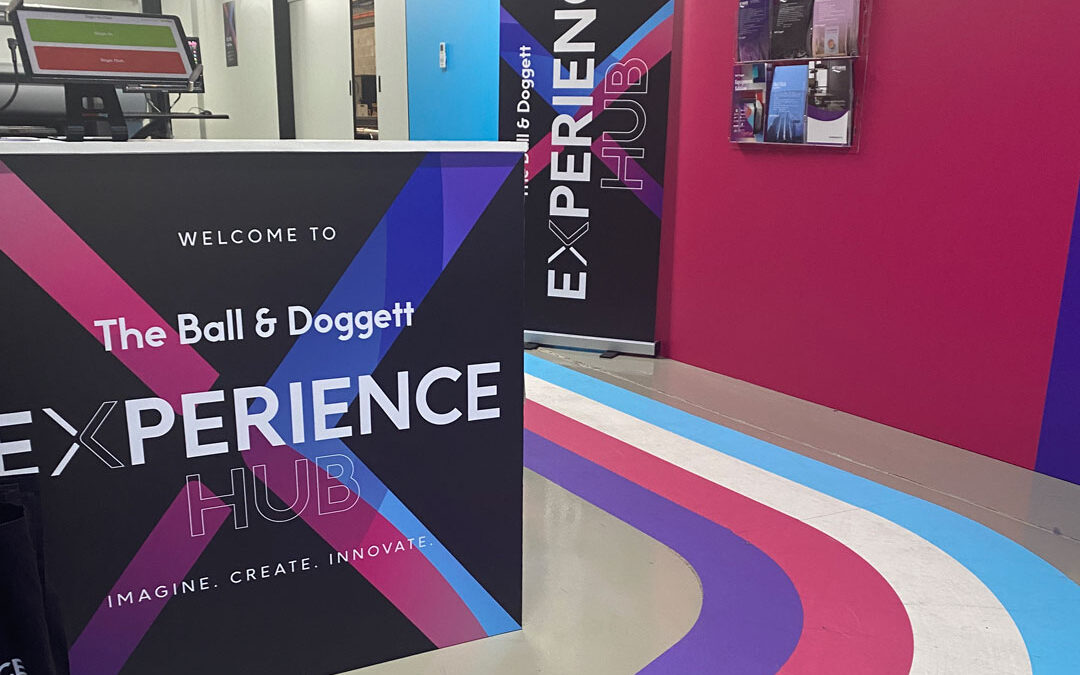
Ever walked into a business and just felt out of place? You stalked them online and on their socials and they looked amazing. The perfect fit.
Then you visit their office to clarify some questions and the narrative shifts.
Their front office is a mess. Piles of paperwork are on the desk, a jumble of spare machine parts takes pride of place in the corner of reception and their signage hasn’t been updated since Paul Keating was PM.
All of a sudden that perfect fit seems a step too far. Back to the drawing board…
Customers begin forming an opinion of your business before they speak to your team, browse your products or experience your service. They notice the building, the entrance, the condition of the premises and how easily they can work out where to go. Signage plays a major role in shaping that first impression.
Good signage does more than display your name or point customers in the right direction. It communicates professionalism, creates familiarity and reassures people that they are dealing with a capable, well-organised business. When every sign feels clear, consistent and considered, customers are more likely to feel confident about taking the next step.
First Impressions Begin Outside the Door
A customer may only spend a few seconds looking at your premises before deciding what they think of the business. A clean, well-positioned sign can make the company appear established and attentive, while faded graphics, outdated information or a confusing entrance can create hesitation.
These judgements are not always fair, but they are common. People naturally use visible details to fill in what they do not yet know. When a business takes care with its presentation, customers are more likely to assume it will bring the same care to its products, services and communication.
That is why signage should not be treated as an afterthought. It is often one of the first pieces of evidence a customer uses when deciding whether a business feels trustworthy.
Professional Presentation Builds Trust
Customers frequently connect the quality of a business’s presentation with the quality of its work. For a trades business, polished vehicle and site signage may suggest reliable workmanship and strong attention to detail. In a medical practice, clear and consistent signs can make the environment feel more organised and reassuring. For a retailer, high-quality signage can help position the products and experience as more valuable.
The sign itself does not prove that the service will be excellent, of course. What it does is reduce doubt. It gives customers a visible reason to believe that the business is established, prepared and serious about its reputation.
A poorly maintained sign can send the opposite message. Peeling vinyl, faded colours or temporary notices that have somehow become permanent may cause people to question what else has been neglected. That is a lot of reputational weight for one tired piece of signage to carry.
Clear Signage Makes the Experience Easier
Confidence can disappear quickly when customers feel confused. If they cannot find the entrance, identify the correct building or understand where to park, the experience begins with unnecessary friction. By the time they reach the counter or reception desk, they may already feel frustrated.
Good directional and wayfinding signage removes that uncertainty. It helps people understand where they are, where they need to go and what they should do next. This is particularly important for medical centres, schools, office buildings, warehouses, shopping precincts and other sites with multiple entrances, departments or tenants.
When navigation feels simple, the business feels easier to deal with. Customers may not consciously praise the signage, but they notice when the journey is smooth. Often, the best wayfinding does its job so well that nobody needs to think about it at all.
Consistency Creates Familiarity
A business becomes easier to recognise when its visual identity remains consistent across every customer touchpoint. The logo, colours, fonts and messaging used on external signage should feel connected to the website, vehicles, uniforms, reception area and printed material.
That repetition helps customers remember the brand. It also reassures them that they have arrived at the correct place and are dealing with the same business they encountered online, on the road or through a recommendation.
Inconsistent branding can weaken that connection. When the sign above the door uses an old logo, the company vehicle features different colours and the website looks like it belongs to another business entirely, customers have to work harder to join the dots. Consistency removes that mental effort and helps the brand feel more established.
Familiarity does not appear overnight. It grows through repeated, recognisable experiences, and signage is one of the most visible ways to create them.
Good Signage Helps People Feel Welcome
Customer confidence is not only influenced by how professional a business looks. It is also shaped by how comfortable and welcome people feel when they arrive.
A clear entrance sign, a friendly reception message and well-planned directions can reassure customers that they are in the right place. This becomes particularly valuable in environments where visitors may already feel uncertain, such as legal offices, medical practices, aged-care facilities or unfamiliar commercial sites.
The tone of the signage matters as much as the information. Instructions can be clear without sounding abrupt, and necessary rules can be communicated without making the environment feel cold or hostile. A wall full of warnings may be technically informative, but it is unlikely to make anyone feel especially welcome.
Thoughtful signage guides people while supporting the kind of customer experience the business wants to provide.
Signage Shapes Perceptions of Quality
The design and production of a sign can influence how customers perceive the value of the business behind it. Refined materials, considered lighting and a clean finish may help support a premium position, while bold colours and energetic graphics may suit a more accessible or fast-moving brand.
There is no single style that works for every organisation. A high-end architectural firm will require a different visual approach from a family entertainment centre, an industrial supplier or a neighbourhood café. The important thing is that the signage feels appropriate to the brand and the audience it serves.
When the visual presentation matches the customer experience, the business feels more credible. People see a clear connection between what has been promised outside and what is delivered inside.
Visibility Builds Confidence Over Time
Signage does not only influence customers at the moment they arrive. It can build familiarity long before they are ready to make contact.
Someone may pass your building during their daily commute, notice your vehicles working in the area or see your branding at a local project site. Each exposure makes the business slightly more familiar. When that person eventually needs the service you provide, your name may already feel known.
This matters because people are generally more comfortable approaching a business they recognise than one they have never encountered. They may not remember exactly where they first saw the brand, but the familiarity reduces the feeling of risk.
Consistent visibility keeps your business present in the customer’s mind, even when they are not actively looking to buy.
Every Sign Has a Specific Job
Effective signage begins with understanding what each sign needs to achieve. A building sign should make the business easy to identify. A directional sign should guide people quickly. A reception sign should confirm that they have reached the right destination, while safety and compliance signage must communicate essential information without creating unnecessary confusion.
Trying to make one sign perform every task usually results in clutter. Long service lists, tiny text, competing messages and too many contact details can make the most important information harder to find.
A better approach is to establish a clear hierarchy. Customers should be able to identify the main message immediately, followed by any supporting information they need. Strong contrast, readable typography and appropriate placement all help the signage work effectively in its real environment.
The goal is not to fit in as much information as possible. It is to communicate the right information as clearly as possible.
Maintenance Matters More Than Many Businesses Realise
Even the best-designed signage will eventually need attention. Weather exposure, changing business information and general wear can gradually reduce its impact. Because this happens slowly, business owners often stop noticing issues that are obvious to a first-time customer.
Regularly reviewing signage helps prevent small problems from becoming part of the brand experience. Look for fading, damage, outdated contact details, poor lighting and anything that has become difficult to read. Temporary signs should also be reviewed before they quietly celebrate their third birthday.
Keeping signage current shows that the business is active and attentive. It protects the investment already made in the brand and ensures customers continue receiving the right impression.
Confidence Starts Before the Conversation
Customers want to feel that they are making a sound choice. Good signage helps create that confidence by presenting the business as professional, recognisable and easy to deal with.
It does not need to be extravagant, and it certainly does not need to shout from every available surface. It needs to communicate clearly, reflect the brand accurately and support customers throughout their experience.
When signage looks neglected or confusing, doubt creeps in. When it feels consistent and considered, customers are more likely to trust what comes next.
Take a look at your business from the customer’s point of view. The signs they see first may be saying more about your brand than you realise. Make sure they are building confidence, not quietly chipping away at it.