

For trade and service businesses, capability statements are often misunderstood.
Some people treat them like a brochure. Others assume they are only for large corporate contractors. Many have one because they were asked for it, but they are not entirely sure what it is meant to do.
It is about proving, quickly and clearly, that your business is reliable, compliant, and capable of doing the work.
What Is a Capability Statement?
A capability statement is a short, structured document that explains what your trade business does, who you work for, and why you can be trusted on site.
In the trades and services world, it is most often used when dealing with government departments, councils, builders, head contractors, facility managers, and commercial clients. These decision makers are not looking to be impressed. They are looking to reduce risk.
At its core, a capability statement answers one simple question.
Can this business do the job properly, safely, and on time?
What a Capability Statement Is Not
This is where many trade businesses miss the mark.
A capability statement is not a price list, a residential flyer, or a full company history. It is not the place to list every service you have ever offered or to rely on generic marketing language.
The people reading it are scanning for reassurance. If they cannot quickly see experience, compliance, and professionalism, they will move on.
What a Capability Statement Is Actually For
First and foremost, a capability statement exists to show that you are site ready.
Builders and councils want confidence that you understand how commercial and public sites operate. They want to know you can work to scope, follow safety procedures, meet timelines, and coordinate with other trades. A strong capability statement communicates this without needing to oversell it.
It also plays a key role in reducing risk for whoever is engaging you.
When a head contractor brings a trade on board, they take responsibility for that decision. Your capability statement helps them justify it by clearly outlining the things that matter most, such as:
- Relevant trade experience on similar sites
- Current licences and qualifications
- Insurances and compliance requirements
When this information is easy to find, the decision becomes easier to make.
Capability statements are also commonly used to support tendering and prequalification.
Many councils, builders, and facility management companies require them as part of supplier registration, expressions of interest, or tender submissions. In these cases, the capability statement acts as a high level snapshot that supports the more detailed paperwork.
Finally, a good capability statement helps you win better work.
It positions your business as organised, dependable, and professional. Instead of being seen as just another trade quoting for work, you are seen as a business that is ready for larger projects, repeat work, and long term relationships.
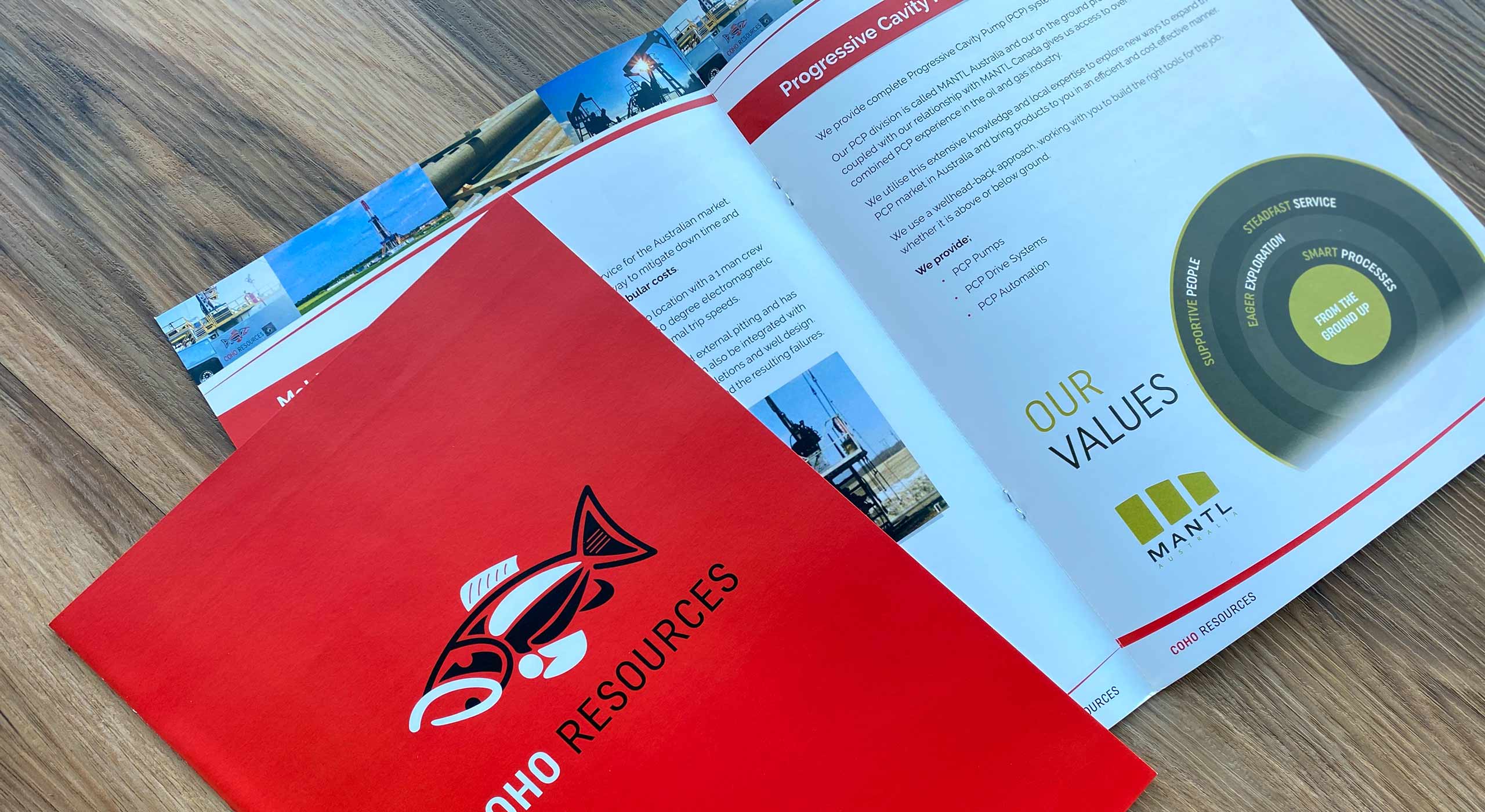
What Should a Trade Capability Statement Focus On?
For trade businesses, clarity matters more than creativity.
A strong capability statement will usually focus on:
- Core trade services and areas of specialisation
- Commercial or large scale project experience
- Clients, builders, or sectors you have worked with
- Licences, accreditations, and insurances
- Safety and compliance approach
These elements give decision makers confidence without overwhelming them.
Final Thought
A capability statement for a trade or service business is not about selling.
It is about removing doubt.
If you want access to better jobs, larger contracts, or ongoing commercial work, a clear and professional capability statement is no longer optional.
It is proof that you are ready to operate at a higher level.